Understanding Cuts For lab grown diamond engagement rings
Wiki Article
Explore Exquisite Lab Grown Diamond Engagement Rings for a Timeless Icon of Your Love
Lab-grown diamond engagement rings have actually arised as a compelling choice for couples looking for both appeal and ethical integrity. These gems mirror the sparkle of all-natural diamonds, yet they feature a smaller ecological impact. With different styles and personalization options offered, each ring can inform a distinct story. As couples explore these choices, questions concerning their significance and worth develop, prompting a deeper check out what makes these rings a purposeful symbol of love.The Surge of Lab-Grown Diamonds: A Modern Romance
As consumers significantly look for sustainable choices, the popularity of lab-grown diamonds has surged, transforming the engagement ring market. These fairly produced rocks appeal to environmentally mindful couples that prefer an icon of love without the moral worries connected with traditional mining. Lab-grown diamonds offer the exact same allure, sparkle, and quality as all-natural diamonds however at an extra easily accessible rate point. This change in consumer preference is reshaping the narrative around engagement rings, promoting a modern-day love story that values sustainability and credibility. Retailers are replying to this pattern by expanding their offerings, making lab-grown alternatives extra widespread in fashion jewelry shops. Therefore, pairs are equipped to pick lovely, significant rings that reflect their worths and commitment to a far better future.Comprehending the Process: Just How Lab-Grown Diamonds Are Made
While many might presume that diamonds can just be created deep within the Earth's mantle, lab-grown diamonds are produced through innovative technological procedures that duplicate these natural problems. The 2 main methods for generating these diamonds are High Stress High Temperature (HPHT) and Chemical Vapor Deposition (CVD) In the HPHT approach, carbon goes through extreme pressure and temperature, mimicking the all-natural development procedure. Conversely, the CVD method includes creating a plasma environment where carbon atoms slowly down payment onto a substrate, creating diamond crystals in time. Both techniques result in diamonds that are chemically and physically similar to their mined counterparts. Subsequently, lab-grown diamonds use a lasting option, offering the very same brilliance and beauty without the environmental influence connected with conventional diamond mining.The Honest Choice: Why Choose Lab-Grown Diamonds?
Lab-grown diamonds present an engaging ethical selection for customers worried about the ecological impact of standard mining. These diamonds ensure a conflict-free condition, making sure that no civils rights misuses are connected to their manufacturing. Additionally, they use a cost-efficient alternative without compromising quality or charm.Ecological Impact Factors To Consider

Conflict-Free Guarantee
As consumers end up being extra familiar with ethical sourcing problems, the appeal of lab-grown diamonds lies in their fundamental conflict-free guarantee. Unlike extracted diamonds, which might be related to funding conflict and human civil liberties misuses in different regions, lab-grown diamonds are developed in controlled environments, getting rid of any concerns connected to unethical practices. This guarantee resonates specifically with socially conscious purchasers, that focus on honest considerations in their purchasing choices. In addition, lab-grown diamonds go through rigorous certification processes, guaranteeing transparency and traceability. By choosing these diamonds, consumers support accountable methods while enjoying the exact same physical and visual top qualities as all-natural diamonds. This honest option shows an expanding pattern towards valuing honesty and duty in the deluxe market.Cost-Effective Alternate
An engaging element of lab-grown diamonds is their cost-effectiveness, making them an eye-catching choice for budget-conscious consumers. Typically priced 20-40% less than all-natural diamonds, these lab-created stones give a substantial financial savings without sacrificing top quality or beauty. This monetary benefit permits pairs to invest in bigger or higher-quality diamonds than they could manage otherwise. Additionally, the moral production procedure of lab-grown diamonds attract those that prioritize sustainability and social duty. By choosing these rocks, customers can enjoy tranquility of mind, knowing they are making a conscientious option. As the need for moral choices expands, lab-grown diamonds continue to arise as a enticing and viable alternative for engagement rings, blending price with contemporary worths.Aesthetic Allure: Comparing Lab-Grown and Mined Diamonds
The aesthetic allure of lab-grown and extracted diamonds is usually analyzed with visual clarity, sparkle, and general workmanship. Elements such as color and reduce high quality play substantial functions in identifying their appeal, while moral and environmental factors to consider additionally influence customer choices. lab grown diamond engagement rings. A comparison of these aspects exposes the nuanced distinctions in between both choices, forming the selections of potential customersAesthetic Quality and Sparkle
Visual clarity and radiance work as vital factors in evaluating the aesthetic charm of both lab-grown and extracted diamonds. Lab-grown diamonds typically exhibit remarkable clarity as a result of the regulated conditions in which they are created, removing most of the inclusions and blemishes generally found in their natural counterparts. This enhanced quality contributes to a dazzling radiance that astounds the eye. Conversely, mined diamonds can possess distinct inclusions that some might find attractive, as they reflect the rock's natural origin and authenticity. However, these additions can diminish total luster. Inevitably, both kinds additional resources of diamonds can achieve impressive aesthetic quality, yet lab-grown diamonds frequently beam brighter, providing a contemporary option without sacrificing the ageless sophistication that defines an interaction ring.Color and Cut Quality
Shade and reduced high quality substantially affect the general aesthetic allure of both lab-grown and mined diamonds. The Gemological Institute of America (GIA) classifies diamond shade on a range from D (colorless) to Z (light yellow) Lab-grown diamonds can achieve the very same shade qualities as their mined counterparts, enabling customers to choose rocks that match their preferences. Additionally, the cut of a ruby considerably affects its luster and glimmer. Outstanding cut diamonds show light preferably, improving visual charm. Both kinds of diamonds can show exceptional cut high quality, however lab-grown options might provide extra exact cuts because of advanced manufacturing strategies. Eventually, the option in between the 2 depends upon specific preference and desired attributes in an involvement ring.Ecological and honest Factors to consider
While both lab-grown and extracted diamonds can be aesthetically sensational, ecological and ethical considerations play a considerable role in the decision-making process for several consumers. Lab-grown diamonds are created in controlled environments, making sure that no underhanded mining techniques are entailed. This openness interest those concerned about civils rights infractions frequently related to extracted diamonds. Furthermore, lab-grown diamonds have a smaller sized environmental impact, as their manufacturing typically requires much less water and energy than conventional mining, which can ruin environments. On the other hand, mined diamonds often come from areas pestered by dispute and ecological degradation. As awareness of these issues expands, many couples are picking lab-grown options, watching them as a responsible option that aligns with their worths while still commemorating their love.Modification Options: Creating Your Perfect Engagement Ring
How can one develop a genuinely special engagement ring that reflects personal style and belief? Personalization choices for lab-grown diamond engagement rings permit couples to tailor their jewelry to their certain preferences. From choosing the diamond shape-- such as round, princess, or oblong-- to selecting the band product, alternatives abound. Couples can include various steels, including white gold, yellow gold, or platinum, to accomplish their wanted aesthetic. Setting designs, like solitaire or halo, even more improve customization. Additionally, etching inside the band can add a nostalgic touch, including initials or meaningful days. With these personalized components, each engagement ring comes to be a distinct depiction of love, merging beauty with personal significance. This procedure ensures the ring is as one-of-a-kind as the partnership it symbolizes.Caring for Your Lab-Grown Diamond: Maintenance Tips
Maintaining the brilliance of a lab-grown diamond requires cautious interest and routine treatment. To maintain the diamond gleaming, it is critical to clean it consistently utilizing a soft brush and moderate soapy water. Prevent rough chemicals and ultrasonic cleansers, which can damage the rock. Furthermore, keeping the ring individually in a soft fabric or a committed box helps stop scratches. lab grown diamond engagement rings. When involving in tasks that might reveal the ring to dirt or potential damage, eliminating the ring is advisable. Regular evaluations at a jeweler can guarantee that the setting stays safe. By following these basic upkeep pointers, one can protect the elegance and honesty of their lab-grown diamond engagement ring for years aheadActual Couples, Genuine Stories: Lab-Grown Diamond Engagement Ring Experiences
What inspires couples to select lab-grown diamond engagement rings? Numerous couples are attracted to the moral and ecological benefits of lab-grown diamonds, which are created without the adverse effects associated with traditional diamond mining. Real tales reveal that couples appreciate the clearness and brilliance of these stones, typically choosing for larger or even more detailed layouts than they might manage with all-natural diamonds. As an example, Jenna and Mark shared their excitement about locating a sensational lab-grown ring that straightened with their worths, permitting them to invest much more in their wedding celebration experience. Sarah and Tom shared joy in picking a distinct style that mirrored their characters, highlighting the versatility and affordability of lab-grown diamonds. These experiences stress that love and objective form every selection.Visit Your URL
Frequently Asked Questions
Are Lab-Grown Diamonds A Lot More Affordable Than Mined Diamonds?
Lab-grown diamonds click this site are generally extra budget-friendly than mined diamonds, usually costing 20-40% much less. This cost difference arises from lower manufacturing prices and the lack of mining expenses, making them an attractive choice for budget-conscious consumers.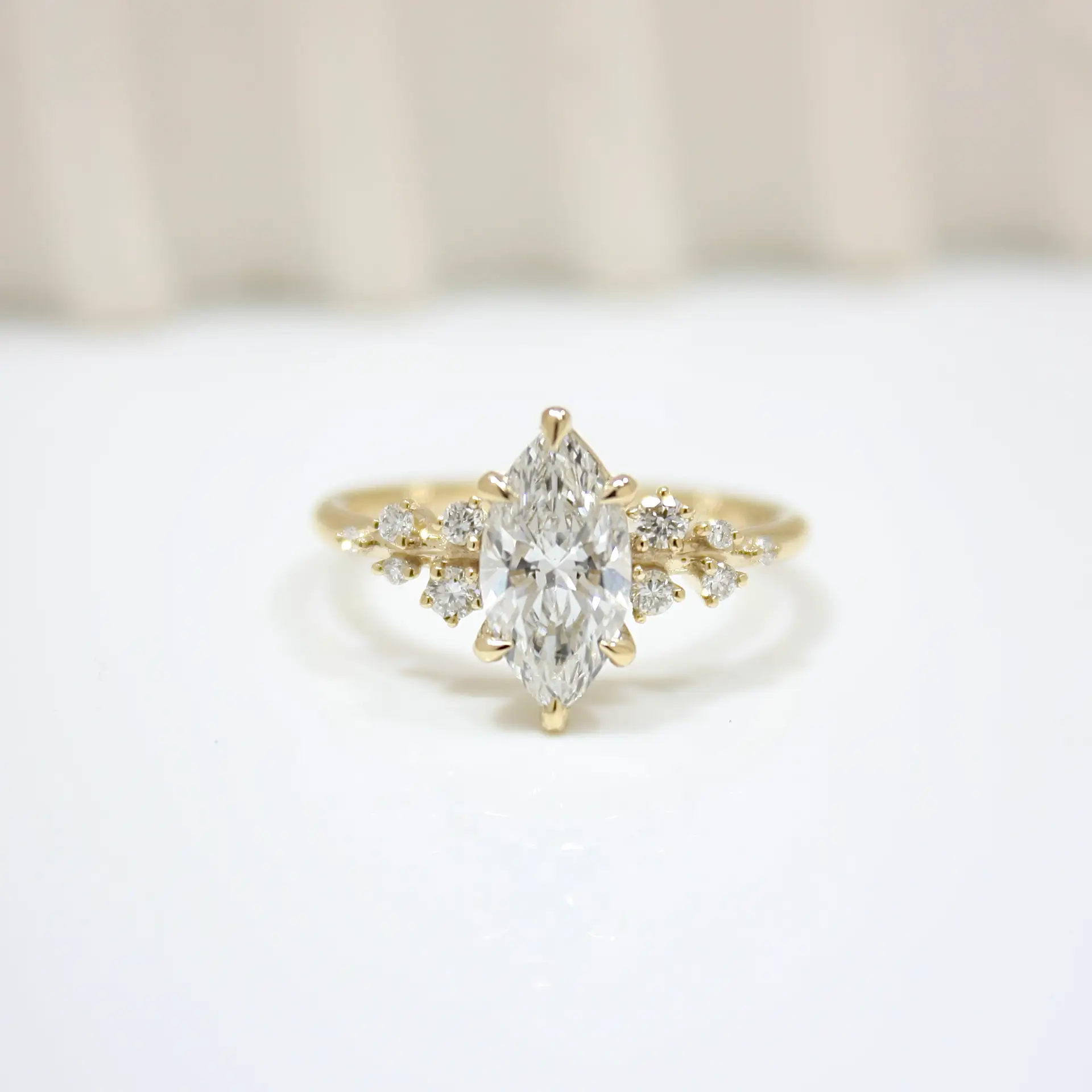
Exactly How Can I Tell if a Ruby Is Lab-Grown?
To establish if a ruby is lab-grown, one can look for certification from reliable gemological labs, look for particular engravings on the rock, or utilize innovative screening techniques that differentiate all-natural from artificial diamonds.Do Lab-Grown Diamonds Hold Their Value Gradually?
Lab-grown diamonds usually do not hold their worth along with all-natural diamonds. Their resale market tends to be less robust, causing reduced long-term appreciation and potentially considerable depreciation compared to mined equivalents.What Are the Service Warranty Options for Lab-Grown Diamond Bands?
Service warranty alternatives for lab-grown diamond rings typically consist of coverage for manufacturing flaws and may offer extensive service strategies for maintenance. Each merchant provides various terms, so it is essential to assess particular policies prior to acquisition.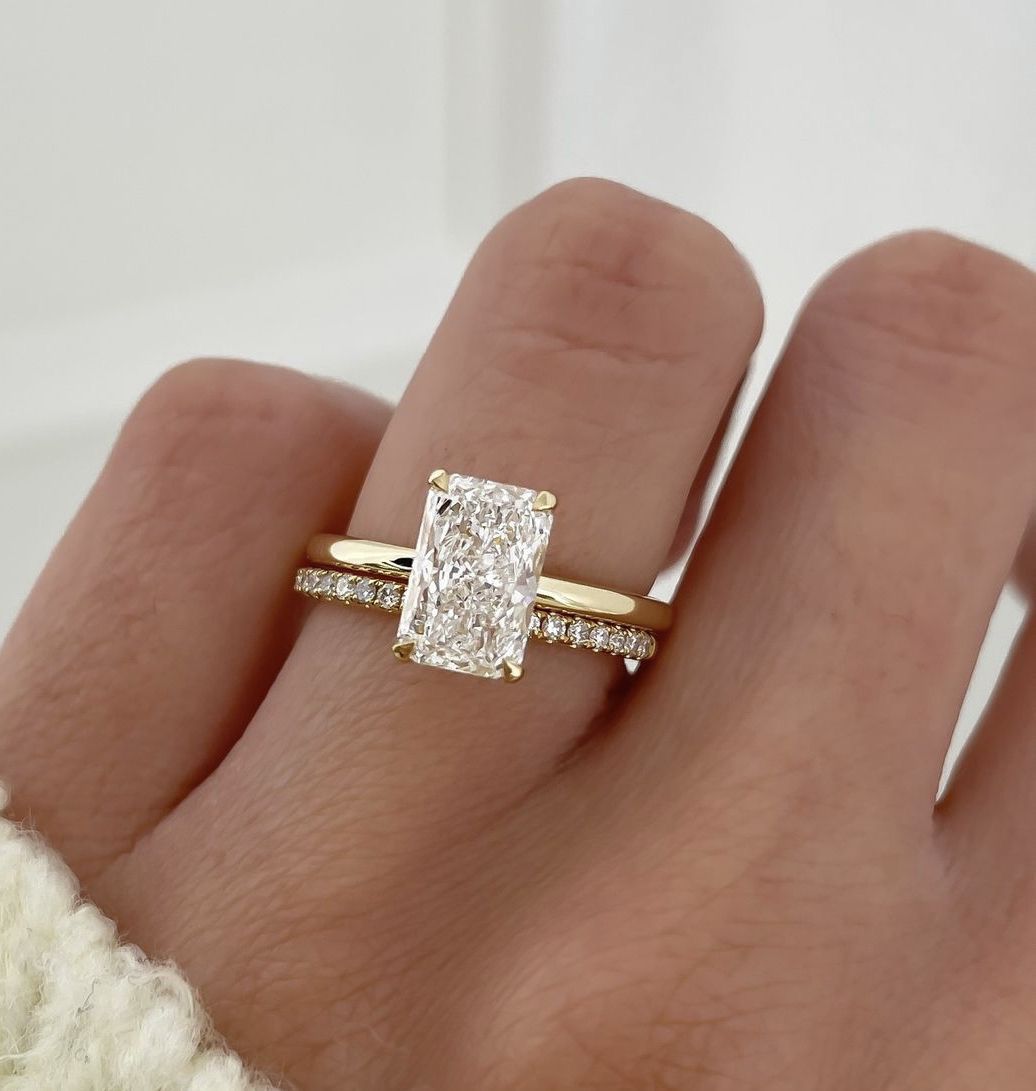
Can I Re-sell a Lab-Grown Diamond Engagement Ring?
Yes, a lab-grown diamond engagement ring can be marketed. However, resale values may vary significantly contrasted to all-natural diamonds, commonly depending upon market need, ring condition, and the brand name's reputation.Lab-grown diamonds offer the same appeal, brilliance, and top quality as all-natural diamonds however at a much more available price point. Unlike mined diamonds, which may be linked with funding conflict and human civil liberties misuses in numerous areas, lab-grown diamonds are produced in controlled environments, removing any issues related to dishonest practices. Numerous couples are attracted to the ecological and honest advantages of lab-grown diamonds, which are created without the unfavorable impacts associated with conventional diamond mining. Lab-grown diamonds are normally a lot more affordable than mined diamonds, frequently costing 20-40% less. Lab-grown diamonds generally do not hold their value as well as natural diamonds.
Report this wiki page